History has an unforgiving memory. It changes the faces, the costumes, and the slogans, but it seldom changes the script. Yesterday’s invaders arrived on horseback with swords drawn. Today’s invaders may arrive draped in the national flag, clutching the Constitution in one hand while quietly hollowing it out with the other.
The destination remains the same: power. The spoils remain the same: the wealth of the nation.
The Past
India was a land of dazzling riches. Its fields overflowed with grain, its artisans created wonders, its merchants traded across continents, and its temples glittered with immeasurable wealth. Yet beneath this abundance lay a fatal disease—disunity.
The subcontinent was carved into countless kingdoms, each ruled by monarchs intoxicated by ambition. Every neighboring kingdom was viewed as a prize to be conquered rather than a partner to be defended. Petty rivalries mattered more than national survival. Kings measured greatness not by the prosperity of their people but by the number of forts they captured and the battles they won.
The invaders needed little encouragement.
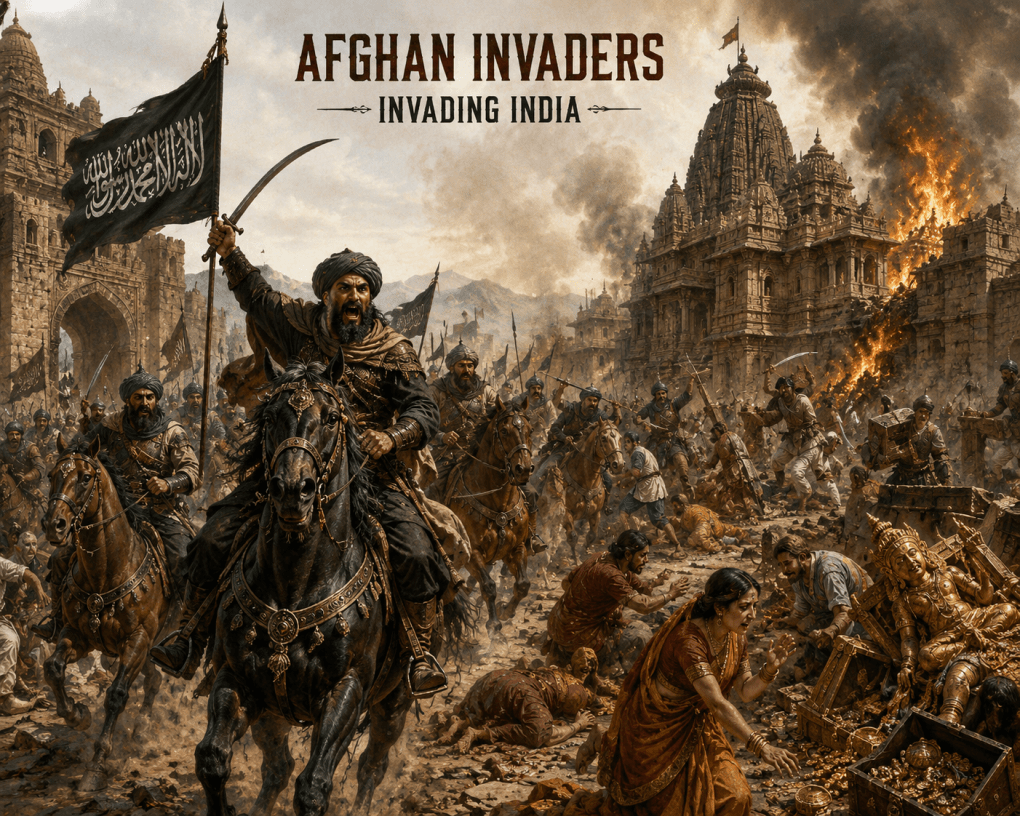
The Afghans came. The Persians came. Others followed. They slaughtered, plundered, and stripped cities and temples of their treasures. Gold, jewels, and priceless works of art disappeared across mountains and deserts while the defeated rulers mourned kingdoms they had been too shortsighted to unite.
India was not conquered because it was poor.
It was conquered because it was divided.
Fast Forward
Centuries have passed. India is no longer ruled by kings. It is a democracy, armed not with swords but with a Constitution—the greatest shield its people possess.
But constitutions are not destroyed by cannons.
They are weakened page by page, institution by institution, until citizens scarcely notice what has been taken from them.
When those elected to serve begin behaving like emperors, democracy quietly changes into something else. Ministers become monarchs. Loyalists become courtiers. Public institutions become private estates. Every question is branded disloyal. Every critic becomes an enemy. Fear replaces debate, and propaganda replaces truth.
And then comes the oldest trick in politics.
Religion.
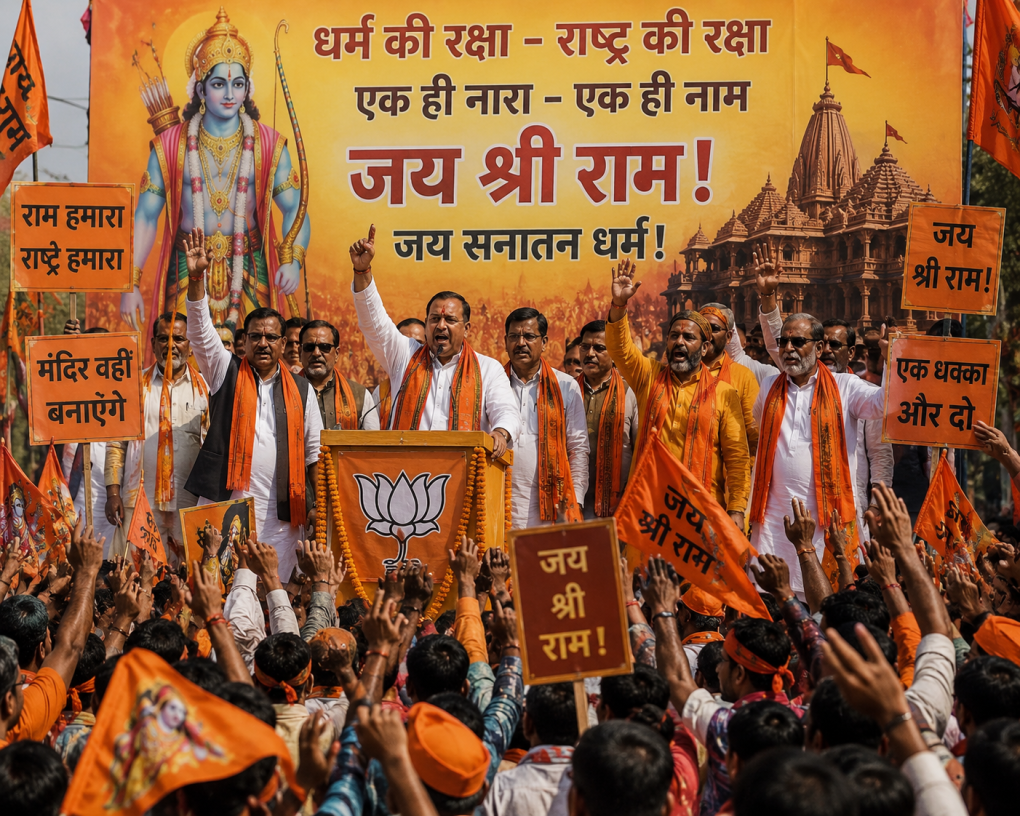
Nothing mobilizes crowds more effectively than convincing them that heaven itself is on the ballot paper. Build grand temples, hold magnificent ceremonies, proclaim eternal devotion—and while the faithful look upward in reverence, others quietly reach into the donation boxes and public coffers.
The temple becomes the stage.
Faith becomes the script.
Votes become the offering.
The irony is almost poetic.
The foreign invaders once looted temples with battering rams and armies. Today’s predators, critics argue, need no siege engines. If corruption flourishes around sacred institutions or public wealth is diverted under the cover of piety, the treasure leaves through the front gate with official blessings instead of through broken doors.
The method has evolved.
The greed has not.
The true invader is not always the stranger crossing the frontier. Sometimes the invader wraps himself in patriotism, speaks endlessly of civilization, demands unquestioning loyalty, and convinces the nation that dissent is betrayal.
A country is not lost only when its borders are breached.
It is lost when its institutions become obedient, its citizens become fearful, its faith becomes a political commodity, and its rulers begin to believe that the nation exists for them rather than they for the nation.
History’s cruelest joke is this: nations often spend centuries preparing to defeat foreign invaders, only to discover that the gravest threat was waiting patiently inside the gates all along.